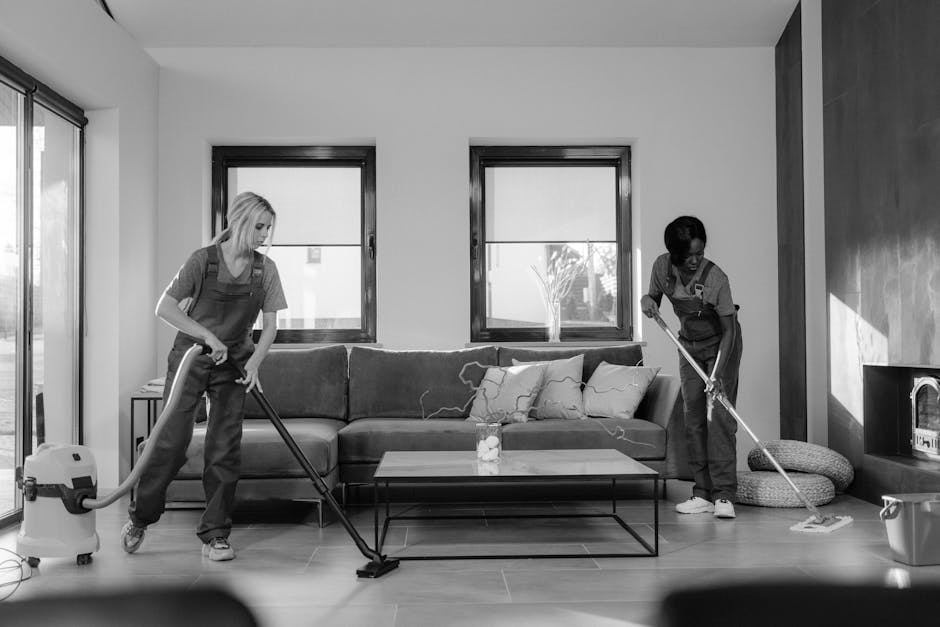


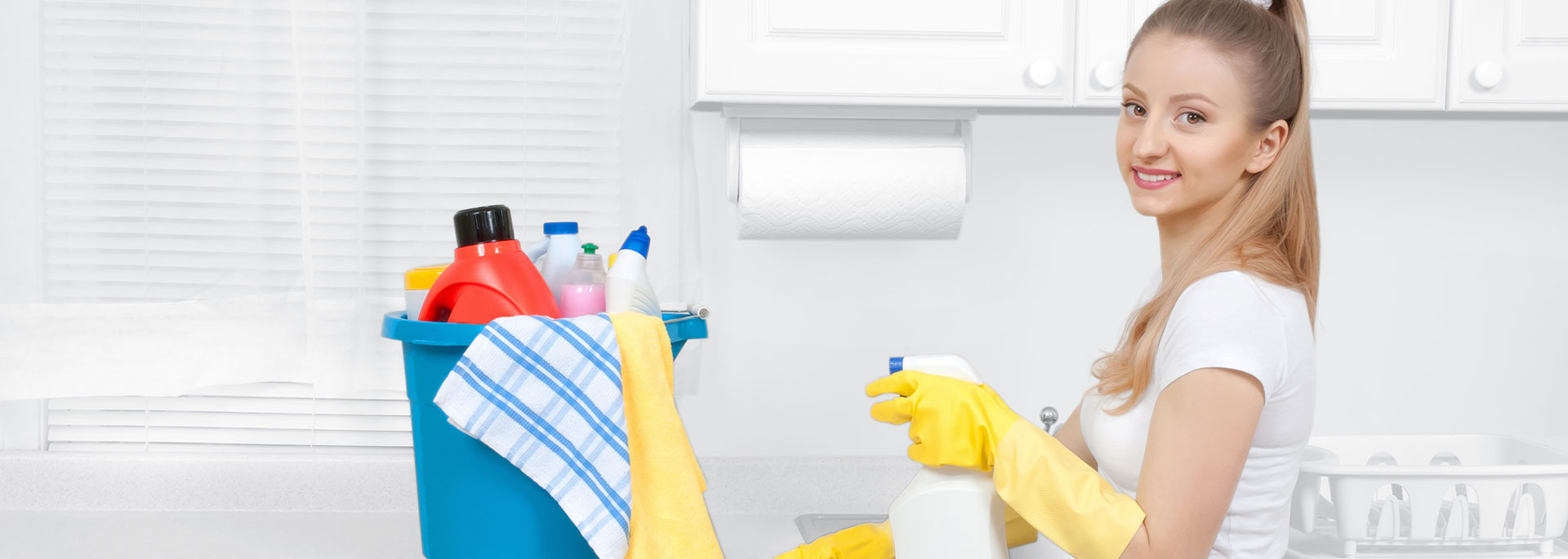
Deep cleaning for flats on Rushey Green SE6
Posted on 20/06/2026
Deep cleaning for flats on Rushey Green SE6: a practical guide for a proper reset
If your flat on Rushey Green SE6 has reached that slightly overwhelming stage - the skirting boards are dusty, the bathroom has built-up grime, and the kitchen feels like it needs a full reset - you are not alone. Deep cleaning for flats on Rushey Green SE6 is less about a quick tidy and more about restoring the place to a level where it feels fresh, hygienic, and genuinely comfortable again. Whether you are moving in, moving out, preparing for guests, or simply reclaiming your space after a busy few months, the right approach makes a noticeable difference.
In a flat, especially a compact one, dirt collects in plain sight and in awkward little places: behind radiators, around taps, inside cupboard edges, on extractor fans, under furniture, and in the soft furnishings that quietly hold onto dust and odours. This guide breaks down what a deep clean actually involves, how it works, who it suits, and what to expect if you are deciding between doing it yourself or booking professional help. To be fair, once you know what "proper" looks like, it becomes much easier to judge whether a clean has really been done well.
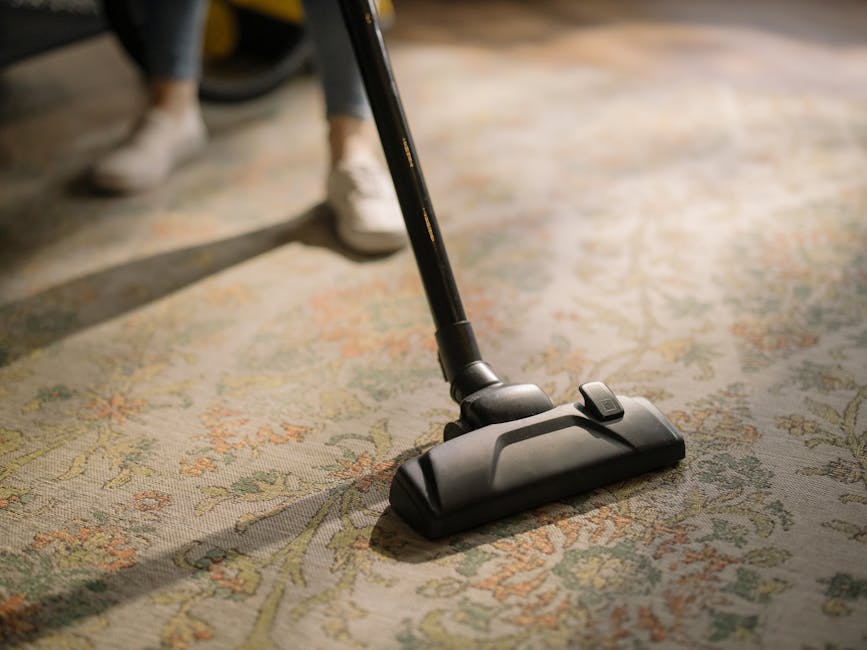
Why Deep cleaning for flats on Rushey Green SE6 Matters
A standard weekly clean keeps things under control, but it does not usually deal with the built-up residue that settles over time. Deep cleaning targets the places that get missed in routine cleaning: behind appliances, along grout lines, around plug sockets, inside bin cupboards, on tops of doors, under bed frames, and along the edges where dust tends to gather. In flats, that build-up can happen faster than people expect because spaces are smaller, traffic is concentrated, and everyday mess has fewer places to hide.
Rushey Green is a busy stretch, and flats in the SE6 area often see a mix of day-to-day traffic, deliveries, pets, cooking smells, and the usual London dust that seems to appear from nowhere. A thorough clean helps the flat feel calmer, brighter, and easier to maintain. You will notice it in the small things: the bathroom smells cleaner, the kitchen counters stop feeling tacky, and the floors look more even in daylight.
There is also a practical side. Deep cleaning can make a home feel more presentable for inspections, better prepared for new tenants, or simply more pleasant to live in when you are tired of the background mess. If you are weighing up whether to refresh the whole flat or just attack one room at a time, the answer often depends on how long the grime has been building. In many cases, the longer it waits, the more it spreads.
Expert summary: if the dirt is visible, sticky, or layered, you are probably past "routine clean" territory and into deep-clean territory. That is the moment where a methodical reset pays off.
How Deep cleaning for flats on Rushey Green SE6 Works
A proper deep clean is usually carried out room by room, top to bottom, and dry to wet. That order matters more than people realise. If you clean the floor first and then dust a shelf, you have just undone half the job. The idea is to move dirt downward and outward in a controlled way, not shuffle it around the flat like a bad magic trick.
Most deep cleaning jobs begin with decluttering the surfaces enough to access the real problem areas. Then comes dust removal, degreasing, descaling, scrubbing, sanitising, and finishing touches like polishing taps or wiping skirting boards. In kitchens and bathrooms, this often includes areas that normal cleaning misses because they take longer and need the right products to shift build-up safely.
For flats, the process often needs a bit of care around ventilation, space, and shared building considerations. Narrow hallways, compact bathrooms, and limited drying space all affect how the work is done. If a flat has delicate flooring, older fixtures, or soft furnishings like curtains and upholstered chairs, those require more selective methods rather than one-size-fits-all spraying.
It is also worth noting that deep cleaning is not just about making things look shiny. It is about removing the layers that hold onto dirt and odour. That means cleaning behind and beneath, not only across the visible surfaces. The difference is obvious when you walk back in afterward. Cleaner air, fresher touchpoints, less "closed-up" feeling. Simple, but quite noticeable.
Key Benefits and Practical Advantages
The biggest benefit is straightforward: the flat feels properly clean, not just surface-clean. But there are a few other advantages worth spelling out, especially if you are deciding whether the effort is worth it.
- Better hygiene: deep cleaning removes grime, food residue, soap scum, dust, and trapped debris from harder-to-reach areas.
- Improved appearance: a clean flat looks brighter and more cared for, which matters if you are hosting, selling, or moving out.
- Less odour retention: hidden dirt in bins, drains, fabrics, and kitchen corners can hold smells that linger longer than you think.
- Longer life for surfaces: limescale, grease, and grit can wear down finishes over time if left alone.
- Lower stress: a truly cleaned flat is easier to maintain, because you are starting from a better baseline.
There is also a less obvious benefit: it changes how a home feels emotionally. That sounds a bit grand, maybe, but it is true. A fresh, orderly flat can reduce the feeling of being surrounded by unfinished chores. For people working from home, studying, or living in a small space, that matters more than they might admit.
If carpets, rugs, or upholstered furniture are part of the picture, it can be sensible to pair the clean with specialist fabric care. For example, a deep clean that includes floor treatment often works well alongside professional carpet care in Catford or more targeted fabric work through upholstery cleaning in Catford.
Who This Is For and When It Makes Sense
Deep cleaning is not only for people who have let things slide. Sometimes it is simply the right thing at the right time.
You may need it if you are:
- moving into a new flat and want a hygienic fresh start
- moving out and need the place left in strong condition
- preparing for inventory, landlord inspection, or end-of-tenancy handover
- recovering from illness, a busy work period, or a long stretch of neglect
- dealing with pets, cooking residue, or a flat that traps dust quickly
- hosting family, friends, or a special event and want the flat looking its best
- simply fed up with the feeling that cleaning never quite gets "there"
Flats on Rushey Green SE6 can vary a lot. Some are modern and easy to wipe through quickly; others have older bathrooms, awkward layouts, or worn finishes that need a gentler touch. If you have just moved in, it is especially sensible to deep clean before unpacking fully. It is much easier to clean empty cupboards and behind furniture than to do it once everything is settled. Ask anyone who has tried cleaning around a stack of boxes. Not fun.
For people between tenancies, a deeper reset is often best handled as part of a broader move-out plan. If that is your situation, it may help to look at end of tenancy cleaning in Catford as a related option, especially if you need a more structured checklist.
Step-by-Step Guidance
If you are doing the work yourself, or just want to understand what a good service should cover, this is the basic sequence that tends to work best in a flat.
- Declutter each room first. Move small items, bags, and loose objects so the real surfaces are accessible.
- Start high and work down. Dust shelves, tops of doors, light fittings, and vents before touching lower surfaces.
- Clean the kitchen in zones. Focus on cupboards, handles, splashbacks, extractor areas, sinks, taps, and appliance exteriors.
- Address the bathroom carefully. Descale taps, clean grout lines, scrub around the toilet base, and wipe down tiles and screens.
- Handle soft surfaces separately. Vacuum upholstery, treat fabric marks carefully, and refresh carpets where needed.
- Do hidden edges and touchpoints. Switches, sockets, skirting boards, door frames, and bannisters collect more grime than people think.
- Finish with floors. Vacuum thoroughly, then mop or steam-clean as appropriate for the floor type.
- Air the flat out. Even ten or fifteen minutes of ventilation helps remove product smell and lingering moisture.
One useful approach is to imagine the flat in layers. The top layer is dust, the middle layer is grease and residue, and the bottom layer is foot traffic and settled dirt. Remove them in that order and everything becomes easier. Skip the order, and the job turns into endless re-cleaning.
If you are cleaning around busy home life, do one room at a time rather than trying to attack the whole flat in one noisy, chaotic session. It is less dramatic, but usually more effective. And less likely to leave you staring at a mop at 9pm wondering where the day went.
Expert Tips for Better Results
A few small habits make a deep clean much more successful, especially in flats where space is tight and surfaces are close together.
- Use dwell time. Let cleaning products sit for a short period when appropriate, so they can break down grease or limescale instead of being wiped away too quickly.
- Work with microfibre cloths. They pick up fine dust better than old cotton rags and reduce streaking on glass and gloss surfaces.
- Do not oversaturate. Too much water in a flat can cause damp smells, streaks, or slower drying in corners and around skirting.
- Test delicate surfaces first. Painted wood, laminate, and older sealants can react badly to harsh products.
- Focus on the smell as well as the look. A room that looks clean but still smells stale probably needs attention to hidden areas.
A good cleaning rhythm also helps. For example, many people keep up with surface wiping but miss extractor fans, behind bins, or under sofa cushions. Those are the little zones that quietly undo a lot of effort. Give them proper attention, and the whole place holds its freshness longer.
If your flat includes velvet curtains, cushions, or decorative fabrics, it may be worth reading the guidance on keeping velvet curtains spotless and plush because those materials need a softer approach than general dusting.
Small, consistent detail beats rushed enthusiasm every time. A careful wipe around a tap or skirting board can change the feel of a room more than a quick blast of spray and hope.
Common Mistakes to Avoid
Deep cleaning goes wrong most often when people try to move too quickly. That is the honest truth. The list below covers the classic mistakes that keep showing up.
- Cleaning in the wrong order. If you mop first and dust later, you will end up doing the same job twice.
- Using one product for everything. Different materials need different treatment, and some finishes dislike strong chemicals.
- Ignoring hidden grime. Under appliances, behind radiators, and inside cupboard corners are common trouble spots.
- Forgetting ventilation. Closed windows and excess moisture can leave a flat smelling heavy instead of fresh.
- Scrubbing too aggressively. It may feel satisfying, but it can damage grout, paintwork, and delicate surfaces.
- Skipping fabric care. Carpets and upholstery often keep a surprising amount of dust, odour, and residue.
One more mistake, and it is a big one: assuming "looks fine" equals "is clean". Not always. A flat can look tidy in daylight and still hold dirt in the details. That is why deep cleaning is more methodical than most people expect.
If you are preparing a property for handover or long-term use, a carefully planned domestic clean can make life much simpler. Related support through domestic cleaning in Catford is often the more practical route for ongoing upkeep once the deep reset is done.
Tools, Resources and Recommendations
You do not need a huge toolkit, but the right items save a lot of time and frustration. Here is a sensible starter set for flats.
| Tool or product | Best use | Why it helps |
|---|---|---|
| Microfibre cloths | Dusting, polishing, wiping | Lift fine dirt well and reduce streaks |
| Non-abrasive sponge | Bathroom and kitchen surfaces | Removes residue without scratching easily |
| Descaler | Taps, shower screens, sinks | Helps shift hard-water build-up |
| Degreaser | Hobs, splashbacks, cupboard fronts | Breaks down kitchen grease efficiently |
| Vacuum with attachments | Skirting boards, corners, upholstery | Reaches awkward edges and fabric debris |
| Bucket and mop | Floors | Useful for a controlled final clean |
For larger or more stubborn jobs, a professional approach is often more efficient than buying more products. Especially if you are dealing with patterned carpets, fabric furniture, or a flat that has not had a proper reset in a while.
It is also wise to think about safety and transparency when choosing help. A good provider should be clear about what is included, how access is managed, and what the expected limitations are. That kind of clarity matters. If you want to compare service options, the services overview is a useful starting point, and pricing and quotes can help you plan without guesswork.
Law, Compliance, Standards, or Best Practice
For domestic cleaning in the UK, the most relevant point is not a long list of technical rules; it is safe, sensible working practice. That means using products properly, avoiding damage to surfaces, taking care around electricity and water, and not creating slip hazards while floors are drying. In shared buildings, it also means being considerate about noise, hallway use, and access.
If you are hiring someone, look for clear communication around insurance, health and safety, complaint handling, privacy, and fair treatment of workers. Those are not glamorous topics, but they are part of trustworthy service. A proper cleaning provider should be able to explain how they handle access, safety, and customer information in plain English. No drama. No vague promises.
For your own peace of mind, it is sensible to confirm that the service you choose has appropriate policies in place. The details should be easy to understand, not hidden behind fluffy wording. You can usually learn a lot from pages such as insurance and safety, health and safety policy, privacy policy, and the terms and conditions.
Accessibility also matters, particularly if you live in a building with stairs, tight corridors, or limited manoeuvring space. The way a team approaches the job should be workable for real flats, not just ideal ones. If that is relevant to you, a quick look at the accessibility statement may be useful.
Options, Methods, or Comparison Table
People often wonder whether they should deep clean the flat themselves, book a professional service, or combine both. Truth be told, each option has its place.
| Approach | Best for | Pros | Trade-offs |
|---|---|---|---|
| DIY deep clean | Light to moderate build-up | Lower direct cost, flexible timing | Time-consuming, easy to miss hidden areas |
| Professional deep clean | Heavy build-up, move-in/out, time pressure | More thorough, efficient, less physical effort | Higher upfront cost |
| Hybrid approach | Busy households or budget-conscious moves | Good balance of effort and cost | Requires clear planning and division of tasks |
If the flat is in decent shape and you just need a reset, DIY might be enough. If the kitchen grease has built up, the bathroom needs descaling, and the floors need careful attention, a professional service tends to be the smarter call. In our experience, the hybrid approach works well for people who want to save money but do not want the job to drag on for days.
For example, you might handle decluttering, laundry, and light dusting yourself, then bring in specialist support for carpets or furniture. That keeps the clean targeted, which is often the best use of time.
Case Study or Real-World Example
Here is a realistic scenario. A two-bedroom flat near Rushey Green has been lived in by a busy tenant for over a year. The place is not filthy, exactly, but it has drifted into that familiar state where the bathroom has limescale at the taps, the kitchen splashback feels sticky under bright light, and the living room has a faint stale smell from soft furnishings and closed windows.
The first pass removes clutter, old packaging, and anything unnecessary. Then the work starts properly: cupboards wiped inside and out, extractor area degreased, bathroom fixtures descaled, skirting boards cleaned, sockets dusted, and the carpet vacuumed with extra attention around edges and under furniture. A curtain or upholstery refresh is added because the room still feels a bit heavy otherwise.
By the end, the flat looks different in a way that is hard to fake. It is not just tidier; it feels more breathable. The lighting seems better. Surfaces reflect more cleanly. Even the hallway feels less cramped. And the key part? The result lasts longer because the build-up has been removed instead of masked.
If the same flat were being prepared for a landlord inspection or a new occupant, that deeper reset would also reduce last-minute stress. Nobody wants to be cleaning behind a washing machine at the eleventh hour. Nobody.
Practical Checklist
Use this as a quick reference before, during, or after the clean.
- Declutter surfaces and floor space first
- Open windows where possible for ventilation
- Dust from top to bottom
- Clean light switches, handles, and touchpoints
- Degrease kitchen surfaces and cupboard fronts
- Descale taps, shower areas, and sinks
- Wipe skirting boards and door frames
- Vacuum under furniture and along edges
- Treat carpets, rugs, and upholstery if needed
- Check hidden corners, behind bins, and around appliances
- Finish with floors only after everything above is done
- Do a final walk-through in daylight if possible
Quick takeaway: if you remember only one thing, let it be this - the best deep clean is the one that reaches the awkward, easy-to-forget places, not just the visible ones.
Get a free quote today and see how much you can save.
Conclusion
Deep cleaning for flats on Rushey Green SE6 is really about restoring order in a way that feels meaningful. It helps when a flat has become harder to maintain, when you are moving in or out, or when you just want a cleaner, calmer place to live. The work is part technique, part patience, and part knowing where grime likes to hide. Once those layers are dealt with, daily cleaning becomes far easier.
If you are deciding whether to do it yourself or call in help, think about time, access, the condition of the flat, and how much detail matters for your situation. Sometimes a straightforward refresh is enough. Sometimes a full reset is the better investment. Either way, a flat that has been properly deep cleaned just feels better to come home to. And honestly, that counts for a lot.