Communal area Cleaning in Catford
If you manage, own, or live in a shared building, Communal area Cleaning in Catford is one of those services that quickly makes a noticeable difference to everyday life. Shared entrances, stairwells, hallways, landings, lifts, bin stores, and internal glazing all collect dirt faster than people expect. In a busy area like Catford, where homes and businesses sit alongside each other and people are constantly moving in and out, these spaces need regular, reliable attention to stay presentable and hygienic.
Whether you’re responsible for a small converted house, a purpose-built block of flats, an office building, or a mixed-use property, keeping shared spaces clean helps protect the building, improves the feel of the property, and makes a better impression on residents, visitors, clients, and contractors. A local team that understands the layout and pace of Catford can work around daily use, access issues, and the practical realities of shared buildings without causing disruption.
From routine dusting and floor care to deeper periodic tasks, professional communal cleaning supports a safer, tidier, and more comfortable environment for everyone who uses the property. If you’re looking to request a free quote or arrange a regular service, it helps to know exactly what’s included, how it works, and why a local provider is often the most convenient option.
Why communal spaces matter in Catford properties

Shared areas are the first part of a building that people see, and they shape the overall impression of the property. In Catford, where there are flats above shops, converted Victorian and Edwardian houses, newer developments, maisonettes, and larger housing blocks, common areas can vary widely in size and condition. Some buildings have wide stairwells and long corridors; others have tight entrances, narrow steps, or limited storage areas that make cleaning logistics more challenging.
These spaces are used by residents every day and often by delivery drivers, maintenance workers, guests, and cleaners. That means dust, mud, litter, fingerprints, scuffs, pet hair, and general buildup appear quickly. Without a consistent cleaning routine, communal areas can begin to look neglected even when the individual flats or units are well maintained. Regular cleaning helps stop that cycle before it starts.
Catford communal area cleaning is especially useful where foot traffic is high and where different users share the same pathways. A well-planned service helps maintain hygiene, reduce odours, and keep floors, banisters, handles, and other touchpoints in better condition for longer. It also supports resident satisfaction, which matters whether you’re managing a small block or a larger portfolio.
What the service typically includes
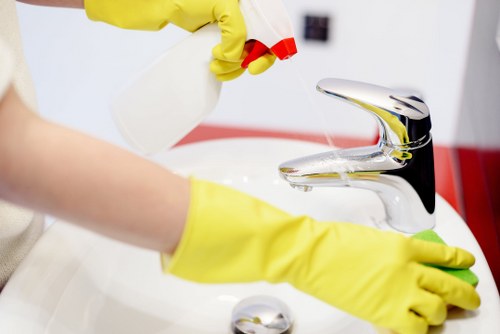
Every building is different, so a good service should be tailored to the layout, materials, and level of use. Communal cleaning is usually built around a regular schedule, with tasks chosen to keep the space tidy without creating unnecessary disruption. The work may be straightforward, but attention to detail is what makes the difference between a quick wipe-down and a proper, dependable service.
Typical tasks may include:
- Vacuuming and sweeping stairs, landings, corridors, and entrance areas
- Mopping hard floors using suitable products for the surface type
- Dusting skirting boards, sills, ledges, handrails, and fixtures
- Cleaning internal glass, mirrors, and entrance doors
- Wiping bannisters, door handles, push plates, and light switches
- Removing cobwebs from corners, ceilings, and hard-to-reach spots
- Spot-cleaning marks from walls, doors, and touchpoints where appropriate
- Cleaning lift interiors and buttons where relevant
- Refreshing bin store or refuse areas as agreed
- Reporting obvious issues such as damage, hazards, or repeated misuse
Some properties in Catford need more than a simple weekly clean. For example, buildings with families, pets, or frequent visitors may need extra attention in entrance areas. Others may need periodic deep cleaning for neglected corners, behind radiators, or around shared fixtures. The best approach is to match the work to the building rather than force every site into the same routine.
Types of buildings we can help with

Communal spaces come in many shapes and sizes across Catford and nearby neighbourhoods. A local cleaning service should be comfortable working in different property types, including older homes split into flats, modern apartment blocks, and commercial premises with shared access routes. Each site brings its own cleaning priorities and access arrangements.
We regularly see demand for communal area care in:
- Purpose-built blocks of flats
- Converted houses and maisonettes
- Mixed residential and commercial buildings
- Student accommodation and managed lets
- Office buildings with shared corridors or reception areas
- Small estates with internal walkways and shared entrances
- Properties with lift access, bin rooms, or shared basement areas
In Catford, the practical side matters as much as the cleaning itself. Some entrances are off busy roads, some blocks have limited parking, and others have narrow access gates or controlled entry systems. A local team is better placed to plan visits around these realities, reducing delays and helping the service run smoothly from the start.
Residential and commercial needs
For residential buildings, the priority is usually a clean, comfortable, and safe place to come home to. For commercial premises, the emphasis may be on presentation, hygiene, and making sure staff and visitors are met with a tidy environment. Many Catford buildings combine both uses, which means the cleaning specification needs to respect both resident expectations and business needs.
How communal cleaning works

A reliable service should be simple to arrange and straightforward to manage. Most customers want to know what happens after enquiry, how often the work can be done, and whether the schedule can fit around residents or business hours. The process is usually practical and flexible, with the cleaning plan shaped around the property rather than the other way around.
Here is a typical way the service is arranged:
- Initial discussion – the building, its access arrangements, and the areas to be cleaned are discussed.
- Site assessment – the cleaning requirements are reviewed in person or based on the details provided.
- Cleaning plan – tasks, frequency, and any special instructions are agreed.
- Scheduled visits – the team attends on the agreed days and completes the required work.
- Ongoing review – the service can be adjusted if usage changes or extra tasks are needed.
This approach is useful in Catford because buildings often have different entry systems and shared responsibilities. Some blocks need daytime cleaning to avoid disturbing residents; others work better early in the morning or at specific times to avoid clashes with deliveries, refuse collections, or business activity. A local provider can usually adapt more easily to these details.
Flexible frequency options
Depending on the building, communal areas may need cleaning multiple times a week, weekly, fortnightly, or on a more tailored schedule. High-traffic properties often benefit from a frequent routine, while smaller or quieter blocks may only need periodic maintenance. The right frequency depends on the number of users, the type of flooring, seasonal dirt, and how the building is managed.
Benefits of professional communal area cleaning

There are obvious visual benefits to a clean shared area, but the real value goes deeper. Regular cleaning supports the day-to-day experience of residents and visitors, helps protect common surfaces, and can reduce the sense of disorder that builds up in shared buildings. For many property managers, it also creates a clearer standard for upkeep and makes complaints less likely.
Key benefits include:
- A tidier and more welcoming entrance for residents and guests
- Better hygiene on frequently touched surfaces
- Reduced buildup of dust, grime, and odours
- Improved presentation for viewings, inspections, and contractor visits
- Less wear on floors, bannisters, and fixtures through regular care
- Fewer disputes about who is responsible for cleaning shared spaces
- A more comfortable environment for everyone using the building
Shared areas are especially important in buildings with vulnerable residents, busy households, or tenants coming and going at different times. A consistent cleaning routine can make the property feel more cared for and can support the impression that the building is properly managed.
Hygiene and touchpoint care
Touchpoint cleaning is often one of the most valued parts of the service. Handrails, buttons, handles, and entry points are used constantly, so they need more than occasional attention. Cleaning these areas helps maintain a fresher and more hygienic shared environment, particularly during wetter months when mud and moisture are carried inside.
Why local Catford knowledge helps
Choosing a local company for communal area cleaning Catford brings practical advantages. A team that already knows the area can plan around local traffic, parking limitations, and building access patterns. That matters in streets where stopping space is limited or where buildings sit behind gates, along side roads, or within denser residential clusters.
Catford has a mix of property styles, from older converted homes with shared staircases to newer apartment developments and commercial premises with common entrances. Local experience helps a cleaner understand the best way to work in each setting, what tools may be needed, and how to complete the job without interfering with residents or staff. It also makes it easier to respond when a site needs an extra visit after a messy weekend, a tenancy change, or a maintenance issue.
Local service also means better continuity. When the same area is covered regularly by a nearby team, it is easier to keep standards consistent and to spot changes in the building early, such as spill damage, damaged light fittings, or repeated litter problems. That kind of practical awareness is useful for landlords, property managers, and resident associations alike.
Nearby areas commonly covered
Services for Catford buildings often extend into nearby parts of south-east London where similar property types and access needs are common. This can include surrounding neighbourhoods such as Bellingham, Hither Green, Forest Hill, Lewisham, and other nearby residential or mixed-use areas, depending on the service route and property type. If your building sits near the boundary of Catford and a neighbouring district, it may still be a straightforward fit for a local cleaning schedule.
What to expect from a reliable cleaning standard
A strong communal cleaning service should be consistent, careful, and respectful of the building and its occupants. That means not just cleaning visible dirt, but also paying attention to the small details that affect how the space feels. Cleaners should work methodically, use suitable materials for the surfaces in the property, and avoid leaving residues, streaks, or water damage behind.
Signs of a reliable standard include:
- Regular attendance on the agreed schedule
- Clear attention to stairs, corners, and often-missed edges
- Appropriate products for wood, vinyl, tile, stone, or painted surfaces
- Respect for resident privacy and shared access arrangements
- Careful handling of delicate fittings and glass areas
- Visible improvement after each visit rather than temporary tidiness only
In shared buildings, consistency matters just as much as effort. Residents notice when an entrance is always clean at the same time each week, and property managers appreciate not having to chase basic tasks repeatedly. A good routine should feel dependable and unobtrusive.
Health, safety, and access considerations
Shared spaces can present practical issues such as wet floors, trip hazards, bins left in walkways, or limited lighting in stairwells and lower levels. Cleaning must be carried out with these risks in mind. That means using caution around cables, mats, and doors, and making sure the space is left safe to use as soon as possible.
If a building has secure access, key codes, entry fobs, or resident-only routes, the cleaning plan should account for that from the outset. Good communication makes the whole process smoother and avoids missed visits or unnecessary disruption.
Preparing for a communal cleaning service
There is usually very little a resident needs to do before a scheduled clean, but a small amount of preparation can help the work go faster and allow the cleaner to focus on the areas that matter most. Property managers and residents’ groups can also help by making sure access details are current and that any special instructions are shared in advance.
Useful preparation steps include:
- Keeping entrance areas reasonably clear of personal items
- Ensuring the cleaner can access bins, corridors, or shared landings where agreed
- Removing fragile items from ledges or low surfaces if they could be easily disturbed
- Reporting any persistent problem areas, such as leaks, spills, or damaged flooring
- Confirming the best time for access if the building has restricted entry
You do not need to do a deep clean before the team arrives. The point of professional communal cleaning is to maintain the shared space regularly so that buildup never becomes unmanageable. However, a tidy access route and clear instructions make each visit more efficient.
Pricing factors for communal area cleaning
Because every building is different, the cost of communal area cleaning is usually shaped by several practical factors rather than a flat one-size-fits-all rate. Customers in Catford often ask what affects the quote, and the answer depends on the size, condition, and use of the property as well as how often the cleaning is needed.
Common pricing factors include:
- Number of floors, staircases, corridors, and entrances
- Frequency of visits required
- Level of foot traffic and general dirt buildup
- Whether there are lifts, bin stores, or extra shared facilities
- Access arrangements and how easy the site is to reach
- Any periodic tasks such as deeper cleans or internal glass cleaning
- Current condition of the communal spaces
For local customers, a tailored quote is usually the best starting point. It allows the provider to understand the property properly and recommend a cleaning schedule that suits both the building and the budget. If you’re comparing options, ask what is included, how often the work would happen, and whether the service can be adapted if the property changes over time.
Value for landlords, agents, and residents
Good communal cleaning is not just an expense; it is part of keeping a building functioning well. For landlords and agents, it can support tenant retention and reduce disputes. For resident-managed buildings, it can help the block feel more orderly and better cared for. For businesses, it contributes to professional presentation and a more pleasant everyday environment.
Common customer questions
People searching for communal area Cleaning in Catford usually want practical answers, not sales talk. Below are some of the questions that often come up when residents, landlords, and property managers are deciding whether to book a service.
How often should communal areas be cleaned?
The right frequency depends on how many people use the space and how quickly dirt builds up. Busy blocks may need cleaning several times a week, while smaller properties may only require weekly or fortnightly visits. A local team can help suggest a schedule based on actual use.
Can the cleaning be done outside busy hours?
Yes, in many cases the service can be arranged around resident routines or business hours. This is especially useful in Catford where shared entrances, parking, and deliveries can make timing important. The aim is to clean without disrupting the building.
What if the building has awkward access or no parking?
That is common in many parts of Catford. Limited parking, narrow streets, and controlled entry systems are all manageable with the right planning. It helps to mention access details early so the visit can be organised smoothly.
Do you clean both residential and commercial communal spaces?
Yes, shared entrances, corridors, stairways, reception areas, and other common spaces in both residential and commercial settings can usually be included. The exact service depends on the building layout and what needs to be maintained.
Can the service be adjusted if the building changes?
Absolutely. If occupancy rises, the weather changes, or a new issue appears, the cleaning plan can often be adapted. Shared buildings rarely stay exactly the same for long, so flexibility is important.
What makes a local service the practical choice
There are good reasons many customers prefer a local provider for shared building maintenance. A nearby team is easier to schedule, more familiar with the area, and often better placed to respond to changing site needs. In communal spaces, reliability matters because missed visits or inconsistent standards are quickly visible.
A local Catford-based or Catford-serving cleaning team is also more likely to understand the everyday realities of the area, from busy roads and parking restrictions to the different types of residential blocks and mixed-use premises found nearby. That practical knowledge can save time and reduce hassle for residents and managers alike.
If you want a service that feels organised, responsive, and suited to your building, it makes sense to book your service now or request a free quote based on the actual layout of the property. The right plan should fit the building, the people who use it, and the standard you want to maintain.
Areas and property types we can usually cover
Many customers looking for communal area cleaning Catford also manage properties in surrounding districts. Depending on the size of the job and the scheduling requirements, nearby coverage often extends into neighbouring South London locations and similar mixed residential areas.
Typical buildings and locations may include:
- Catford town centre properties
- Residential blocks near main roads and transport routes
- Converted buildings and shared houses
- Flats above shops or offices
- Near-neighbourhood sites in Bellingham, Hither Green, Forest Hill, and Lewisham
If your property is close to Catford but sits slightly outside the immediate centre, it is still worth making an enquiry. A local provider may be able to build it into an existing route, which can make regular maintenance easier to organise.
Why regular maintenance works better than occasional deep cleaning
Deep cleaning has its place, especially where a building has been neglected or where a one-off refresh is needed after refurbishments, tenant turnover, or seasonal dirt. However, regular maintenance is usually the most effective way to keep communal spaces consistently presentable. It stops grime from becoming embedded and keeps the space manageable throughout the year.
When communal areas are cleaned on a routine basis, the benefits add up over time. Floors stay in better condition, touchpoints remain fresher, and the building is easier to manage. Residents tend to feel more comfortable, and visitors are met with a more professional impression as soon as they enter the property.
Regular care is especially worthwhile in:
- High-footfall apartment blocks
- Properties with shared front doors and narrow hallways
- Buildings with multiple stair flights
- Homes where bin access or recycling areas are communal
- Commercial spaces that need to stay tidy throughout the working week
Ready to arrange communal cleaning in Catford?
If your building needs a dependable local service, now is a good time to get started. A tailored cleaning schedule can make shared spaces easier to manage and far more pleasant for everyone who uses them. Whether you’re a landlord, managing agent, resident committee member, or business owner, a professional team can help keep your common areas in good order.
Take the next step to contact us today, request a free quote, or book your service now. If you can share the property type, number of floors, and any access details, it becomes much easier to put together a suitable plan for your building in Catford.
From stairwells and corridors to entrance halls and shared facilities, dependable communal area cleaning helps your property look cared for and feel better maintained day after day.
Frequently asked questions
Is communal area cleaning suitable for small buildings?
Yes. Even a small converted house with shared stairs or an entrance hallway can benefit from professional cleaning. Smaller properties often need less time, but they still benefit from regular upkeep.
Can cleaning be arranged for buildings with limited access?
Yes. Access codes, key holding arrangements, timed entry, and other building-specific instructions can usually be factored into the service. It just helps to provide the details upfront.
Do communal cleaners handle bin areas?
In many cases, yes, if it is part of the agreed service. Bin stores and refuse areas often need periodic attention because they can affect the overall feel of the property.
What if residents have specific preferences?
That can usually be accommodated. If certain surfaces need special care, or if residents want particular areas prioritised, the cleaning plan can be adjusted where practical.
How do I know what frequency is right?
The best frequency depends on usage, building size, and how quickly the communal spaces get dirty. A site-specific quote or discussion is usually the best way to decide.
If you’re ready to improve the shared spaces in your building, Communal area Cleaning in Catford can be arranged around your property’s needs and routine. A well-kept entrance, staircase, and corridor make a real difference every day.