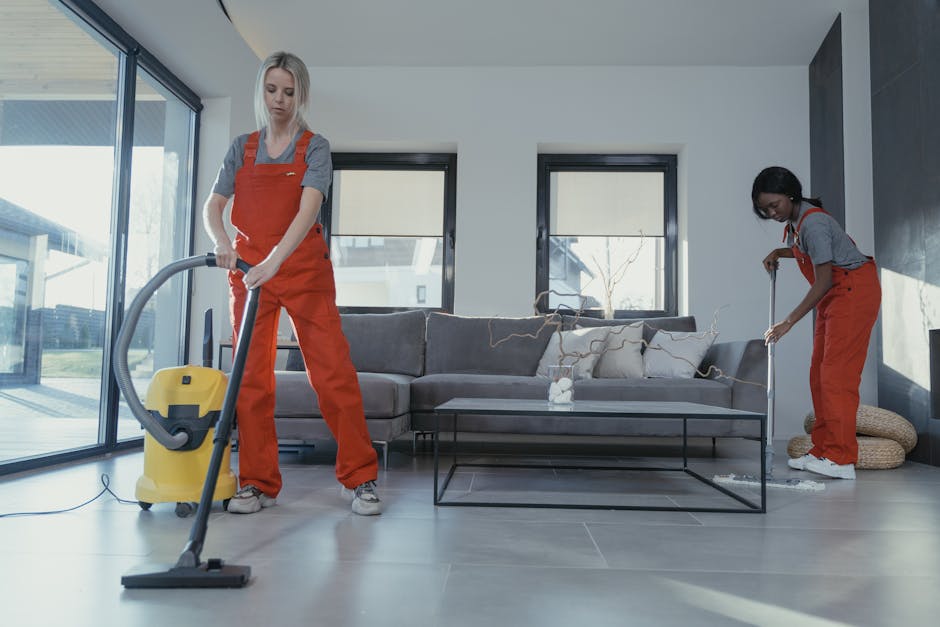
Avoid hidden charges in Catford cleaning quotes
If you have ever looked at a cleaning quote and thought, "That seems fine... but what happens later?", you are not alone. Hidden extras can creep in quickly, especially when a quote looks neat on the surface but leaves out call-out fees, parking, stain treatment, supply costs or minimum booking rules. This guide explains how to avoid hidden charges in Catford cleaning quotes, what to ask before booking, and how to compare cleaners in a way that feels fair, transparent and genuinely useful.
In Catford, where homes, flats, shared buildings and busy commercial spaces all come with different access quirks, quote clarity matters more than most people realise. A good price should tell you what is included, what is not, and what could change the final bill. Simple enough in theory. In practice, not always. So let's break it down properly.
Why this matters
Hidden charges are not just annoying; they can completely change whether a cleaning job feels worth it. A quote that starts low but grows with extra fees is hard to trust, and it usually creates friction at the worst possible moment: when the work is finished and you are trying to reconcile the invoice. Nobody likes that late-afternoon "why is this higher than expected?" conversation. Not exactly relaxing.
For customers in Catford, the risk is especially relevant because cleaning jobs are often tailored. A one-off deep clean in a top-floor flat is not the same as regular domestic cleaning in a ground-floor maisonette, and an office clean can involve access constraints, disposal needs or out-of-hours work. If those factors are not explained up front, the price can feel misleading even if the provider thinks the extra cost is justified.
Transparent quotes also help you compare like for like. If one company includes supplies, equipment and labour while another only quotes labour, the cheapest price may not be cheapest at all. That is where many people get caught out. Truth be told, a clear quote is often more valuable than a slightly lower one.
Expert summary: A fair cleaning quote should show the service scope, the booking conditions, any likely extras, and the circumstances that could change the final price. If any of those are vague, ask for clarification before you confirm.
How this works
Good cleaning quotes should follow a simple logic: assess the property, identify the service level required, explain the inclusions, and state any conditions that may affect the final price. That sounds obvious, but in real life quotes can be built around assumptions that are never written down. That is where problems begin.
A transparent quote usually considers:
- property size and number of rooms
- level of dirt, dust or build-up
- specific tasks requested, such as oven degreasing or stain removal
- access issues, parking or stairs
- timing, such as evenings, weekends or urgent bookings
- whether cleaning products and equipment are included
For example, a quote for end of tenancy cleaning should clearly explain whether it covers inside cupboards, appliance interiors, skirting boards and bathroom limescale, or whether those are treated as extras. The same logic applies to deep cleaning, one-off cleaning, and specialised jobs such as carpet cleaning or oven cleaning.
The final price should not be a surprise. It should be the natural outcome of what was agreed. If a cleaner needs more information before pricing, that is not a problem. In fact, it is often a good sign. It usually means they are thinking properly rather than throwing out a low headline figure and hoping for the best later.
A practical way to think about it: a quote is not just a number. It is a description of what you are buying.
Key benefits of transparent pricing
There are some very direct benefits to choosing a cleaner that gives a proper, itemised, honest quote.
- Better budgeting: you can plan with confidence instead of holding a small emergency fund for surprise add-ons.
- Cleaner comparisons: you can compare providers based on the same scope.
- Less stress on the day: everyone knows what has been agreed before the clean begins.
- Fewer disputes: unclear extras are one of the main reasons customers and providers argue later.
- Better service fit: you are more likely to book the right level of clean, not an underpriced version that disappoints.
There is another, subtler benefit too: trust. When a company is careful with pricing, it often reflects how they work in general. That does not guarantee perfect service, of course, but it is usually a positive signal. You notice these things after a while. A neat quote, clear wording and sensible questions tend to go together.
If you are booking a recurring service like regular cleaning or a broader household service such as domestic cleaning, that transparency matters even more because small hidden costs can quietly add up over months. What looks minor once becomes frustrating on the third or fourth invoice.
Who needs this most and when it makes sense
This topic matters to almost everyone booking cleaning in Catford, but a few groups need to be especially careful.
- Tenants and landlords: end-of-tenancy and move-related cleans often have tighter expectations and deadline pressure.
- Busy households: family homes can have more rooms, more mess, more add-on requests and less time to chase details.
- Commercial customers: offices, communal spaces and retail units may need out-of-hours work or special access arrangements.
- Hosts and short-let owners: quick turnarounds can make rushed pricing more tempting, which is where mistakes happen.
- People booking specialist work: services like steam carpet cleaning, upholstery cleaning, sofa cleaning and window cleaning can have conditions that affect the final quote.
It also makes sense any time a property is unusually large, unusually dirty or tricky to access. A top-floor flat with no lift, for example, is not the same as a small ground-floor studio. That is not a complaint. It is just reality. And reality affects pricing.
If you are booking from a time-sensitive situation - moving out on Friday, handing over keys at noon, or cleaning after builders have left dust everywhere - it is even more important to get the scope pinned down before anyone starts. For those jobs, see also move out cleaning, move in cleaning and after builders cleaning.
Step-by-step guidance
Here is a practical way to avoid hidden charges before you book.
- Ask for a written quote. A verbal estimate is easy to misunderstand. Written is better.
- Check what is included. Labour, supplies, equipment, VAT if applicable, disposal, travel, and any minimum booking period should be clear.
- Describe the property honestly. Mention pets, stains, scale, mould spots, access restrictions, parking issues and any fragile surfaces.
- Ask what triggers extra charges. For example, heavy staining, extreme dirt, additional rooms or same-day bookings.
- Confirm arrival and access details. A missed entry slot can cause waiting fees or rebooking costs.
- Read the terms before paying a deposit. The small print is where many surprises live, awkwardly enough.
- Save the quote and any messages. If something changes later, you will want a record of what was agreed.
That may sound a bit fussy, but fussy is useful here. A five-minute check can save you from a surprisingly expensive invoice later. And if the provider is professional, they will usually welcome the clarity.
For more detail on how pricing is typically explained, it can help to review a provider's pricing and quotes approach before you commit. That gives you a sense of whether they are likely to be straightforward or evasive. Most people can spot the difference pretty quickly once they know what to look for.
Expert tips for better results
Here are the details people often miss, even when they are otherwise being careful.
- Ask about minimum call-out fees. A small job can still have a base charge.
- Clarify parking and access costs. In some parts of Catford, parking is simple; in others, it is a headache. If a cleaner has to factor in extra time, ask whether that is already covered.
- Be specific about stains and odours. Services like pet stain odour removal and stain removal may be quoted separately from standard cleaning.
- Check what is excluded. Often the real problem is not an extra fee; it is a task the customer assumed would be included.
- Look for simple language. The best quotes are easy to read. If you need a decoding session, that is a yellow flag.
- Choose based on scope, not just headline price. Cheaper is not always cheaper if half the job is excluded.
A small but useful trick: ask the cleaner to confirm the final price in plain English, even if they have already sent a quote. Something like, "Just so I am clear, what would make this price change?" That one question can surface hidden extras very quickly.
And yes, if the response is evasive, that tells you something too.
Common mistakes to avoid
The same mistakes come up again and again. Luckily, they are avoidable.
- Only comparing prices: two quotes can look similar while covering very different things.
- Assuming supplies are included: not every cleaner supplies products or specialist equipment as standard.
- Not declaring the real condition of the property: a "light clean" description for a heavily used space will almost always cause tension later.
- Ignoring access details: flats, shared buildings and narrow streets can all affect labour time.
- Paying a deposit without reading terms: cancellation rules matter, especially if your moving date is not fixed yet.
- Assuming special services are bundled in: appliance cleaning, carpet treatment, hard floor care or upholstery work may be separate.
One of the most common traps is believing the lowest quote must be the best deal. Sometimes it is. Often it is not. In practice, a quote that is slightly higher but fully clear can be better value because there is less friction, less guesswork and fewer awkward surprises.
For example, if you are arranging specialist floor or furniture work, you might need to compare options such as hard floor cleaning, rug cleaning, mattress cleaning or curtain cleaning. These are all legitimate services, but they can carry different assumptions, and that is where the quote needs to be precise.
Tools, resources and recommendations
You do not need fancy software to compare cleaning quotes properly. A simple notes app or spreadsheet is enough. The useful part is structure, not technology. Here is a simple way to keep track of things:
- company name
- service requested
- quoted price
- what is included
- possible extras
- deposit or payment terms
- cancellation policy
- notes on trust or clarity
If you are comparing a few providers, it helps to create a little table for yourself and mark where each quote is vague. Oddly enough, the clearest company is not always the one with the best marketing. Sometimes it is the one that answers questions plainly and without fuss.
There are also a few website pages worth checking when you want a sense of how a cleaner operates more broadly. A transparent business will usually make it easier to find its terms and conditions, explain how it handles payment and security, and describe broader policies such as insurance and safety or health and safety. You do not need to overanalyse every line, but you should feel that the business is not hiding behind vague wording.
For some readers, it may also be worth looking at about us to understand who you are hiring, or reviewing recycling and sustainability if that matters to your household or business. Not because those pages prove pricing on their own, but because they give a fuller picture of the company's standards.
Law, compliance and best practice
When people talk about hidden charges, they often mean pricing clarity rather than a legal issue. Still, there are important best-practice expectations in the UK around fair trading, clear consumer information and honest communication. You do not need to be a lawyer to benefit from that. You just need quotes that do what they say on the tin.
In practical terms, best practice means:
- not misleading customers with low headline prices that leave out obvious costs
- stating any material exclusions before the booking is confirmed
- explaining how changes to scope will affect the price
- keeping payment terms and cancellation conditions visible and understandable
- handling complaints or disputes through a clear internal process
That last point matters. If something goes wrong, a sensible complaints route gives both sides a calm way forward. A company with a proper complaints procedure is usually taking accountability seriously, which is reassuring when money and time are on the line.
There is also a practical safety angle. If a cleaner is entering occupied homes or workplaces, it is reasonable to expect attention to insurance, training and safe working practices. That is not "extra". It is part of being a professional service. In the real world, clients want the job done well and without drama. Fair enough.
Options and comparison table
Not every quote format gives you the same level of protection. Here is a simple comparison of common approaches.
| Quote style | What it usually tells you | Risk of hidden charges | Best for |
|---|---|---|---|
| Headline price only | A single total with very little detail | High | Quick rough comparisons, but not ideal for booking |
| Basic written estimate | General cost and a short description | Medium | Simple jobs with low variation |
| Itemised quote | What is included, what is excluded and what may change | Low | Most homes, offices and specialist cleaning jobs |
| Survey-led quote | Pricing based on a visit or detailed assessment | Very low | Large properties, post-renovation work, complex access or heavy soiling |
For more complex jobs, a survey-led quote is often the safest option. It takes a bit more time, yes, but it can save a lot of uncertainty later. That is especially true for commercial cleaning, office cleaning or communal area cleaning, where access, timing and scope can change the price quite a bit.
Real-world example
Imagine two Catford customers booking what sounds like a similar clean.
Customer A needs a standard two-bedroom flat clean before new tenants move in. The cleaner gives a quote that includes bedrooms, kitchen surfaces, bathroom sanitation, vacuuming and mopping. The quote also states that deep grease removal in the oven, internal cupboard cleaning and heavy wall marks would be extra if present. Clear, simple, no surprises.
Customer B books a similar service but only receives a price with no detail. On the day, the cleaner discovers the oven is heavily baked on, the carpet has pet staining and the balcony is littered with debris. The invoice rises because those tasks were never part of the original assumption. Nobody is exactly delighted. The customer feels the quote was misleading, while the cleaner feels they were being asked to do more than agreed. That is how ordinary jobs turn awkward.
If Customer B had asked a few simple questions beforehand - what counts as standard, what counts as extra, and whether specialist tasks are included - the outcome could have been far smoother. A small conversation up front often prevents a much bigger one later. A bit dull, maybe. Very useful, definitely.
This is also why specialist pages such as patio cleaning and facade cleaning should be discussed carefully before booking. Outdoor surfaces can vary wildly, and a quote that ignores condition, staining or access is not giving you the full picture.
Practical checklist
Use this checklist before you confirm any cleaning job in Catford.
- Do I have a written quote?
- Does it say exactly what is included?
- Are products, tools and equipment included?
- Are parking, stairs, access or waiting time addressed?
- Have I described the property honestly?
- Do I know what counts as an extra charge?
- Are deposits, cancellations and rescheduling rules clear?
- Have I checked whether the company has useful policies and a complaints process?
- Does the quote make sense for the size and condition of the job?
- Have I compared at least two quotes on the same basis?
If you can tick all of those off, you are in a much stronger position. Not perfect, because life is rarely perfect, but much stronger.
For some readers, the next step is not more research but a direct conversation. If that sounds like you, use the company's contact options to ask for a clearer breakdown before you book.
Get a free quote today and see how much you can save.
Conclusion
Avoiding hidden charges in Catford cleaning quotes is really about one thing: clarity. When the quote is clear, the booking is calmer, the service is easier to compare and the final bill is far less likely to cause friction. That matters whether you are booking a one-off deep clean, regular domestic help, specialist carpet work or a larger commercial job.
The safest approach is simple. Ask for a written quote, check the inclusions, confirm the exclusions, disclose anything unusual about the property and save the agreement. That alone will eliminate most nasty surprises. And if a provider is transparent from the start, that is usually a good sign you are dealing with professionals who respect your time.
In the end, a good cleaning quote should leave you feeling informed, not wary. That little bit of confidence goes a long way.
Frequently Asked Questions
What counts as a hidden charge in a cleaning quote?
A hidden charge is any cost that was not made clear before booking, such as extra fees for parking, stairs, heavy soiling, supplies, cancellation or additional tasks that the customer assumed were included.
How can I tell if a Catford cleaning quote is fair?
A fair quote clearly explains what is included, what is excluded, what could change the price and whether the service includes labour, equipment and cleaning products. If you need to decode it, it is probably not clear enough.
Should I choose the cheapest cleaning quote?
Not automatically. The cheapest headline price can be misleading if it excludes common tasks. Compare quotes on the same scope, not just the final number.
Are deposits normal for cleaning jobs?
Yes, deposits can be normal, especially for larger or time-specific bookings. The important part is that the deposit amount, refund conditions and cancellation terms are explained clearly in advance.
Do cleaners usually charge extra for stairs or no parking?
Sometimes, yes. It depends on the provider and the job. Access issues, waiting time and parking can all affect the final price, so it is best to ask before confirming.
What should be included in an end of tenancy cleaning quote?
It should clearly state the rooms and items covered, and whether things like ovens, cupboards, skirting boards, limescale or carpet treatment are included or priced separately.
How do I avoid surprises on the day of the clean?
Be honest about the property condition, ask what would count as extra work and get the quote in writing. If possible, send photos or a short description so the cleaner can price more accurately.
Is it better to get a survey before a large cleaning job?
Yes, for larger homes, offices or complex jobs, a survey-led quote can reduce the risk of extras because the cleaner can assess access, condition and scope properly.
What if the cleaner finds more work than expected?
They should pause and explain the change before charging extra where practical. Good communication matters here. You should not be surprised by a bigger bill after the job is complete.
Do specialist services like carpet or upholstery cleaning cost more?
They can, because they often need specialist equipment, more time or different treatment methods. That is normal, but the quote should still explain the basis of the price clearly.
What documents or pages should I check before booking?
Look for a clear pricing page, terms and conditions, payment information, insurance and safety details, and a complaints procedure. These do not replace a proper quote, but they do help you judge whether the business is organised and transparent.
What is the best single question to ask about hidden charges?
Ask: "What could make this price change?" It is short, direct and usually gets you the answer you actually need.